


Staread
Staread
I opened Staread expecting a straightforward reading app, and that is still the best way to understand it: a free Books & Reference app from Staread built around novels and short stories. Its appeal is not that it tries to replace every reading service on a phone. Instead, it offers a focused place for readers who want fiction available in shorter or longer sessions, whether that means settling in for a chapter or filling a quiet break with a compact story.
That focus matters because reading apps often become cluttered with unrelated tools. Here, the central question is simpler: do you enjoy discovering and reading serialized or short-form fiction on a mobile screen? If yes, this app is worth investigating. If you mainly need textbooks, public reference material, PDFs, audiobooks, or a carefully managed personal ebook library, I would look elsewhere before making it your main reading tool.
How Staread feels during ordinary reading
My first impression is that the experience is designed around reducing the gap between opening the app and finding something readable. That sounds modest, but it is important on a phone. A reading app succeeds when it makes a five-minute session feel worthwhile instead of asking me to organize a library before I can begin.
The combination of novels and short stories gives Staread a useful range. A longer work suits an evening when I want continuity, while a short story fits a commute, a lunch break, or the few minutes before sleep. I found that distinction more useful than simply judging the catalog by size. The practical value is in matching the reading choice to the time I actually have.
The app is free to install, which makes trying it relatively easy. There are in-app purchases ranging from under a dollar to amounts reaching into the hundreds of dollars per item, so I would still approach the reading experience with some spending discipline. Anyone sharing a device with a child or allowing casual purchases should review the purchase controls on the phone before browsing deeply.
Related News

Why WhatsApp Messenger Still Makes Everyday Communication Feel Easy

Jurassic World: The Game Is the Better Dino Tycoon for Strategic Players

Threads in Real Life: Who Should Join, Lurk, or Leave

How SHEIN Turned Shopping Into an Endless Content Feed

How to Make Fortnite Feel Smarter on Mobile

Should You Switch to Microsoft Outlook on Mobile?
Staread carries a Mature 17+ content rating. That is an important part of the decision, not a small label to ignore. I would not treat it as a general family reading shelf, and I would especially avoid handing it to a younger reader without checking whether the material suits them. Adults looking for fiction with more mature themes may find the rating a useful expectation-setter, but it does not remove the need to judge individual stories.
Speed expectations on a normal phone
For reading, perceived speed is less about demanding graphics and more about how quickly the app gets out of the way. A reader notices delays when moving between discovery and reading, returning to a story, or trying to continue after an interruption. Staread’s purpose is narrow enough that I would expect the reading portion to feel lighter than a media-heavy social app, although the catalog and account portions may naturally feel busier when content is being loaded.
The most useful speed test is not opening the app once on a strong connection. It is repeating the same routine: launch it, choose a short story, read for a while, leave, and come back later. That routine reveals whether the app supports casual reading or turns every session into a fresh search. I recommend testing it this way during the first few days, especially if you plan to use it in brief windows rather than long uninterrupted sessions.
Gallery
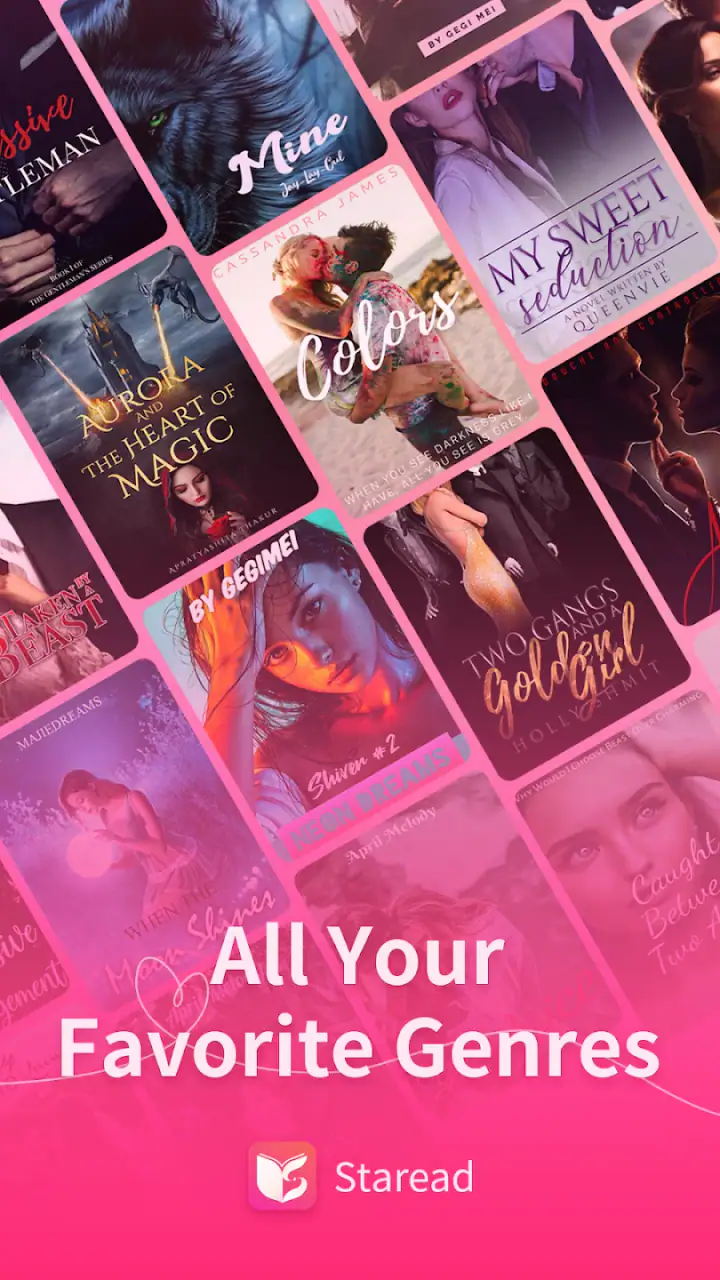
Short stories are particularly helpful for judging this. They let me see whether the app can deliver a complete, satisfying reading session without requiring a large time commitment. Longer novels test a different quality: whether the experience encourages me to return and maintain continuity. I would not judge Staread only by how quickly its first screen appears; the more meaningful question is whether the transition back into an ongoing story feels dependable.
There is also a trade-off between a focused fiction app and a conventional ebook reader. A traditional reader may open a locally stored book almost instantly because the content is already on the device. Staread is more attractive when discovery and access to its fiction selection matter more than owning a tidy offline library. If instant access in poor connectivity is your main priority, a downloaded ebook in a dedicated reader remains the safer choice.
What happens during heavier reading sessions
Light use can hide friction. A more revealing routine is to browse for several minutes, move between different stories, read a longer chapter, and then return to the earlier title. This is the kind of session where navigation, memory use, and recovery after interruptions become more noticeable. I would use that pattern before deciding whether the app deserves a permanent place on my home screen.
On an older or modest phone, the reading view itself should be the least demanding part of the experience, but the surrounding browsing activity can still create a heavier workload. Repeatedly opening content, switching away to messages, and returning later are realistic behaviors, especially for people who read in short bursts. The practical advice is simple: keep the first session modest, see how the app behaves after several transitions, and avoid assuming that a smooth opening automatically guarantees a smooth long session.
Staread is also a better fit for readers who accept a mobile-first rhythm. I would not choose it for a marathon study session where I need extensive annotation, page comparison, citation management, or a large collection of reference books open at once. Those tasks favor a more specialized ebook or academic reading tool. Its strength is fiction consumption, not turning a phone into a full research desk.
A useful workflow is to separate discovery from commitment. I would browse when I have time, identify one or two stories that match my mood, and then read one at a time rather than constantly switching. This reduces unnecessary navigation and makes it easier to notice whether the app is helping me read or merely encouraging endless selection. It is a small habit, but it gives the app a fairer test and makes short sessions more satisfying.
Reliability and recovering after interruptions
Reliability in a reading app is not only about avoiding crashes. It also means returning to the right place after a call, a notification, a battery-saving pause, or a quick trip to another app. For me, that recovery behavior is more important than a flashy opening screen. A reader who loses track of a chapter repeatedly will stop using the app, even if the catalog is appealing.
I recommend testing recovery deliberately rather than waiting for a problem. Open a story, read far enough to establish your place, leave the app, and return later. Repeat the test after the phone has been used for other tasks. This gives a more realistic picture than a single uninterrupted reading session. It also answers a question many readers have before installing: can this become a dependable habit, or will it feel like a disposable browsing app?
Network conditions are another practical consideration. A cloud-oriented fiction experience can be convenient at home or on a stable connection, but less predictable in transit, in crowded public places, or in areas with weak service. I would not rely on it as my only reading option for a long trip until I had personally checked how comfortably it handles the connection conditions I expect to face.
That is where Staread differs from a conventional offline reader. An offline reader gives me more control over files and access, while this app is centered on its own reading environment. The former is better for predictable travel and personal archiving. Staread is better for readers who value discovering fiction inside one dedicated service and do not mind testing their usual connectivity before depending on it.
The app has an average rating of 4.5 from 561 ratings, with 224 written reviews, and it has passed 50K installs. Those figures suggest that it has attracted a real early audience, but I would still treat them as context rather than a guarantee. A rating cannot tell me whether the app will recover well on my particular phone, whether its mature fiction suits my taste, or whether its purchase model feels comfortable for my household.
Device limits, operating system, and storage choices
Staread supports Android 6.0 and later, which gives it a broad compatibility range for Android users. That is useful if I am keeping an older phone in service, but compatibility is only the starting point. An older device may meet the operating-system requirement while still having less memory, slower storage, or a battery that struggles with frequent app switching.
On a newer phone, I would expect the main concern to be convenience rather than raw capability. On an older phone, I would pay closer attention to how the app behaves after other applications have been open, how quickly it returns from the background, and whether reading remains comfortable during longer sessions. These checks are more valuable than choosing a phone based on the minimum operating-system line alone.
Screen size also changes the experience. A compact display can be comfortable for a short story because the reading area feels intimate, but longer novels may require more frequent page movement. A larger phone makes extended reading easier, though it can be less convenient for one-handed use. I would adjust the test to my own habits: try a short story while standing or commuting, then try a longer chapter in a relaxed position.
Battery demand should be judged in context. Reading text is generally a simpler task than streaming video or playing a demanding game, but browsing, connectivity, screen brightness, and repeated app switching still affect a phone’s endurance. If I were trying to preserve battery, I would lower brightness, avoid leaving several content-heavy screens open, and use the app in focused sessions rather than repeatedly waking the phone just to browse.
Storage is another reason not to assume that every reading app works like a local ebook shelf. I would not fill a phone with unrelated downloads or expect Staread to replace a file-management system. Readers who want complete control over book files, folders, backups, and transfers will probably feel more comfortable with a dedicated ebook reader. Readers who prefer a single place to browse fiction may accept that reduced control in exchange for convenience.
Who will get the most from it
I see Staread working best for an adult reader who likes fiction in flexible portions. It suits someone who can enjoy a short story during a spare moment but also wants the option of following a longer novel. It is especially appealing if the reader prefers opening a dedicated fiction app instead of searching the web, managing downloaded files, or maintaining a personal collection manually.
Consider an ordinary evening: I have ten minutes before bed, do not want to start a television episode, and need something more absorbing than scrolling through social feeds. A short story gives that window a natural beginning and end. On another night, I may have more time and choose a novel instead. That change of scale is one of the app’s most practical advantages, because it respects the uneven way people actually read on phones.
It may also suit readers who are experimenting with mobile fiction and do not want to pay an upfront purchase just to see whether the format fits. The free entry point lowers that barrier, while the in-app purchase range means I would remain aware of what I am selecting. I would set a personal spending limit and avoid treating every locked or promoted choice as something I must buy immediately.
I would skip it if my priority is reference reading. The Books & Reference category can sound broad, but Staread’s identity is clearly tied to novels and short stories rather than dictionaries, manuals, academic papers, or technical documentation. It is also not my first recommendation for children because of the Mature 17+ rating, nor for readers who require audiobooks, advanced study tools, or a carefully organized offline archive.
Version, maturity, and what that means in practice
The current version is 0.12.0, and the app was released on October 8, 2025. I read that as a sign to keep expectations practical: this is a relatively early-stage product experience, so I would be willing to encounter rough edges that a long-established reading platform may already have polished away. That does not make it a poor choice, but it does make personal testing more important.
With an early version, I would pay attention to small details that affect daily trust: whether returning to a story feels consistent, whether navigation remains clear after browsing, and whether the app behaves sensibly when Android reclaims background memory. These are not glamorous features, but they determine whether reading becomes a habit. I would also keep the app updated through the normal store process, because later releases may refine the experience.
The age rating deserves equal attention. Mature fiction can be exactly what an adult reader wants, but it changes how I would recommend the app in a shared household. I would not describe it as a neutral reading shelf for everyone. If several people use the same Android device, I would make sure the account and purchase arrangements match the intended reader before settling in.
Staread is free, but “free” should not be confused with unlimited cost-free use in every situation. The listed in-app items span from $0.99 to $199.99 per item. That is a wide range, and it makes purchase awareness part of responsible use. I would explore the free reading experience first, decide whether the writing and format suit me, and only then consider spending. This approach protects the app’s strongest advantage—the low barrier to trying it—without ignoring its commercial side.
My performance verdict after weighing the trade-offs
Staread makes the most sense as a focused mobile fiction companion, not as a universal replacement for every reading tool. Its appeal comes from the pairing of novels and short stories, the free starting point, and the ability to match reading length to the time available. For an adult who wants fiction close at hand, that is a useful combination.
I am less enthusiastic about using it as my only reading solution. Readers who depend on offline access, personal file ownership, deep annotation, academic organization, or family-friendly content have stronger alternatives in conventional ebook readers and specialized reference apps. Those tools may feel less immediate, but they offer better control for those particular needs.
My advice is to install it with a specific test in mind: read one short story, try a longer session, interrupt the app, return to it, and check whether the experience fits your phone and connection. Also decide in advance whether you are comfortable with the mature content rating and the possibility of in-app purchases. The best reason to choose Staread is flexible fiction reading, not a promise that it can do everything.
Overall, I would recommend giving it a try if you are an adult reader who enjoys short stories, wants an accessible way to sample mobile fiction, and does not need a heavily managed ebook library. I would pass on it if your reading is mainly educational, offline, family-oriented, or dependent on advanced tools. Within its narrower purpose, the app has a clear identity, and that clarity is more valuable than pretending it is the right choice for every kind of reader.
FAQs for Staread
What is Staread and what can I use it for?
Staread is a reading-focused app designed to help users discover, access, and enjoy digital reading content from a mobile device. Depending on the available catalog and region, it may provide novels, serialized stories, articles, or other written content. Before downloading, check the app’s current description, supported content types, and regional availability to confirm that it matches your reading preferences.
Is Staread free to download and use?
Staread may be available as a free download, but some content or features can require in-app purchases, subscriptions, or virtual credits. The exact pricing model may vary by platform, country, and promotional offer. Review the payment details shown in Google Play or the App Store before confirming a purchase, and check whether subscriptions renew automatically.
Do I need an account to read content on Staread?
An account may be required to unlock the full Staread experience, synchronize reading progress, save favorites, or access content across devices. Some sections might be viewable without registration, but features can be limited for guest users. If you create an account, use an email address or sign-in method you can access and review the permissions requested during registration.
Can I use Staread offline or does it require an internet connection?
Staread generally needs an internet connection to browse its catalog, load new chapters, synchronize your account, and process purchases. If the app supports offline reading, you may need to download individual books or chapters while connected first. Offline availability can depend on licensing restrictions, storage space, and the specific title, so verify these options inside the app.
Is Staread safe to install on Android or iPhone?
The safest way to install Staread is through its official Google Play Store or Apple App Store listing rather than an unofficial APK or download website. Before installing, check the developer name, recent user reviews, update history, privacy information, and requested permissions. Avoid granting unnecessary access, and remember that any account or payment details should be protected with a strong password.
Pros
- Clean
- distraction-free interface for comfortable reading sessions.
- Useful for discovering new stories and lesser-known authors.
- Reading progress makes it easy to continue where you left off.
- Content is conveniently available from a mobile device.
- Suitable for short reading sessions while traveling or relaxing.
Cons
- The available library may feel limited compared with larger reading platforms.
- Some content may vary in quality
- depending on the individual author.
- Offline reading options may not be available for every title.
- Frequent readers may want more advanced sorting and filtering tools.
- Some features or content may require an account or paid access.


